
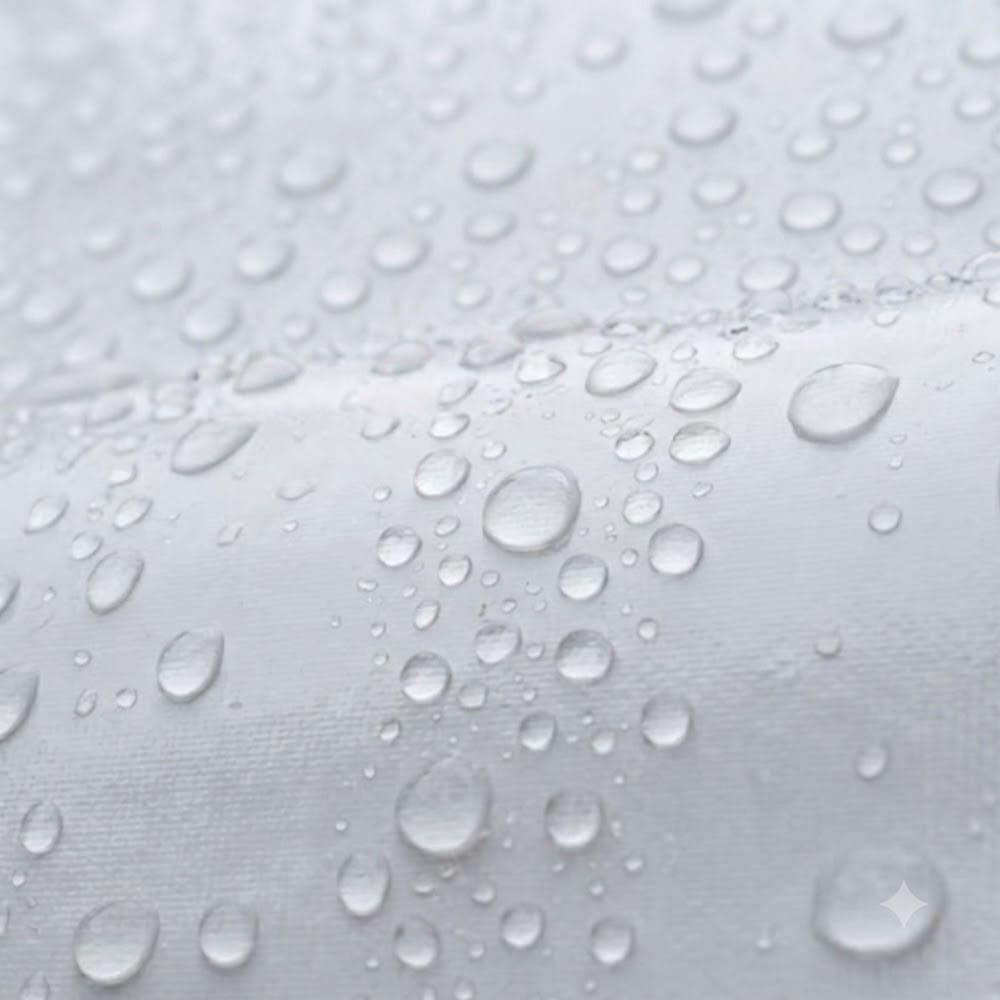
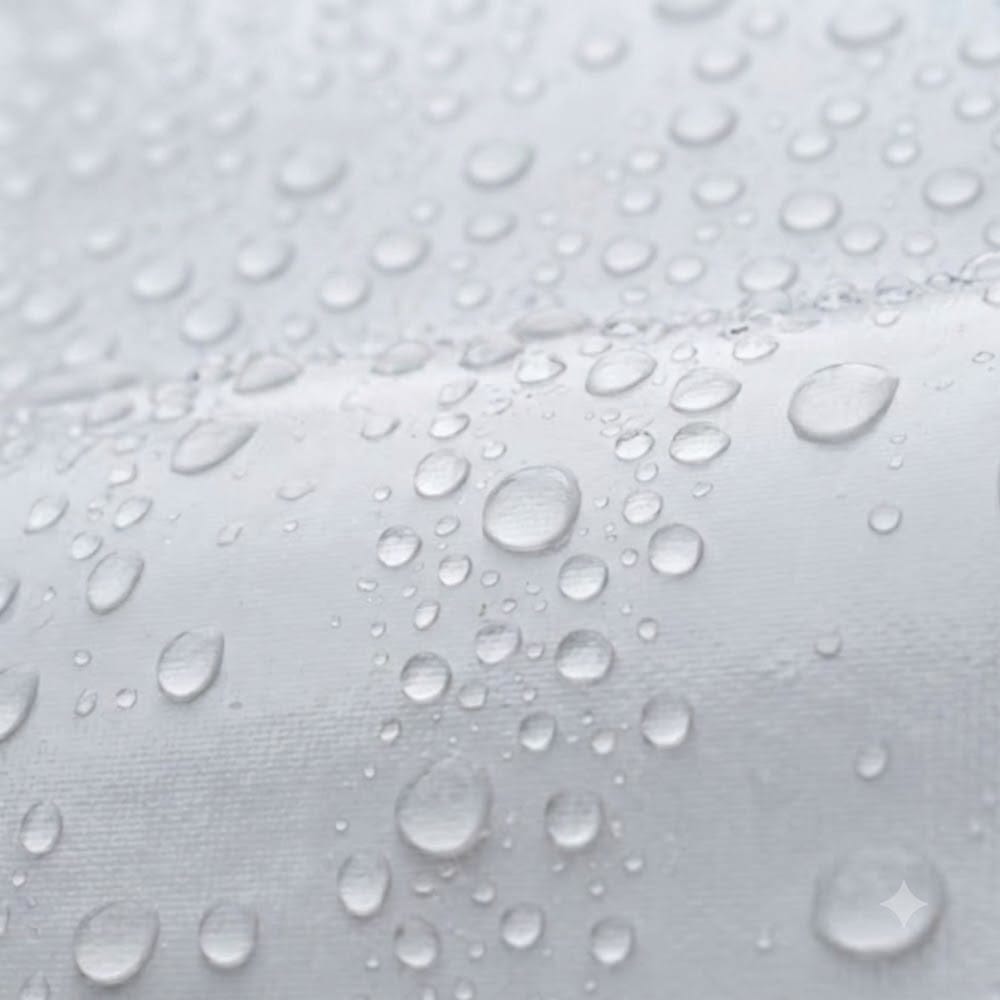
Condensation in a marquee is one of the most common issues hire companies and venue hosts face, especially as the seasons shift. Because a marquee is a single-skin PVC or Canvas structure, it is almost impossible to eliminate condensation 100%. However, with the right setup and climate control strategies, you can reduce it to a minimum and keep your event space dry and comfortable.
1. Cover the Ground First (The Most Important Step)
The vast majority of moisture inside a marquee doesn’t come from the air—it rises from the damp ground underneath. Grass, soil, and even cold concrete continuously release water vapor.
- The Solution: Lay down a non-breathable layer across the entire footprint before erecting or flooring the marquee. A thick, high-density tarpaulin or solid plastic membrane acts as a vapor barrier, stopping ground moisture from ever reaching the main space.
- Pro Tip: Laying your carpet or flooring directly over a non-breathable membrane keeps the interior dry and significantly reduces roof drips.
2. Ventilation: Air It Out
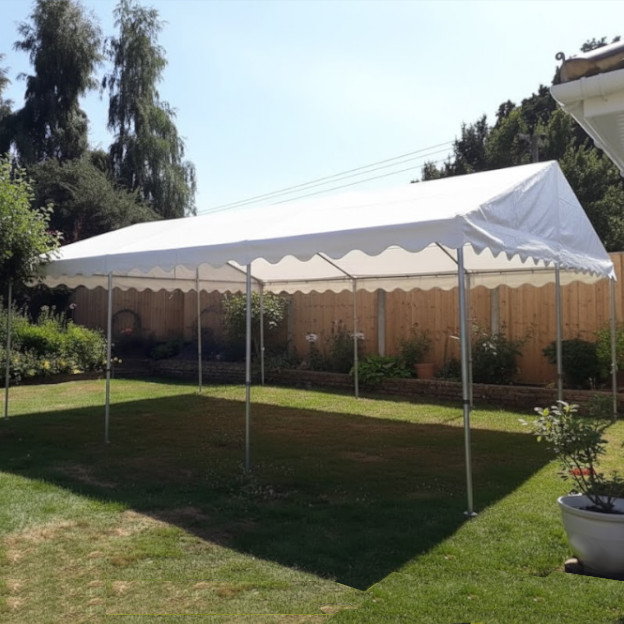
When the ambient air temperature fluctuates, moisture suspended in the air naturally collects on the cold ceiling skin of the marquee.
- The Solution: During setup or on dry days before the event, open the side walls to create cross-ventilation and allow the space to “air out.”
- How It Helps: Circulating ambient air balances the moisture levels inside and outside, preventing damp air from being trapped overnight.
3. Smart Heating: Indirect Diesel Heaters
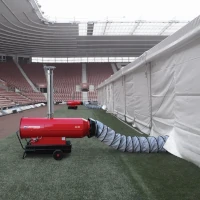
Using the wrong type of heater (such as unvented space heaters or cabinet gas heaters) can actually increase condensation because moisture is a direct byproduct of gas combustion.
- The Solution: Use an indirect diesel heater positioned outside the marquee, blowing clean, warm air inside through flexible ducting controlled by an internal thermostat.
- Winter Performance: High-output indirect heaters keep the air inside constantly dry and moving. Even when temperatures drop below freezing (0°C), a quality setup can easily push interior temperatures up to +25°C while driving away ambient dampness.
Key Takeaway
While single-skin structures will always be prone to temperature differences between the inside and outside, combining a ground-level moisture barrier with continuous ventilation and dry, indirect heating will keep condensation down to an absolute minimum.